
A New Initiative to Nurture Development of the Local Community Through the Restoration of Traditional Buildings
Interview 12Once considered a sacred site where only the gods could reside, Miyajima was previously kept uninhabited. Subsequently, a town was built on the southwest side of Itsukushima Shrine, mainly for priests and high-ranking shrine families, while a port town flourished on the northeast side.
Miyajima's development has always been closely intertwined with Itsukushima Shrine, and the deep faith of the people living on the island forms the foundation of the traditional cultures passed down the generations. The townscape of Miyajima is shaped by the activities of the local residents, and you can really get a sense of their way of life and feel their presence.
Here, we would like to introduce "Machiya Street," the main street of the traditional area on the northeast side of Itsukushima Shrine, designated by the government as an "Important Traditional Building Preservation Zone" in 2021. In stark contrast to the bustling Omotesando Shopping Arcade, this street has the atmosphere of quiet everyday life, where tourists can stroll through the quaint townscape. We interviewed Ms. Kamigouchi, and Mr. and Ms. Yoshida, who have lived on this street for many years, about the differences between the town's past and present appearance and lifestyle, as well as their expectations for developments, including the preservation and utilization of the former Wakasa residence, which Hatsukaichi City is working on to make into a hub open to tourists and local residents.
Hoping for Further Development of the Changing Townscape
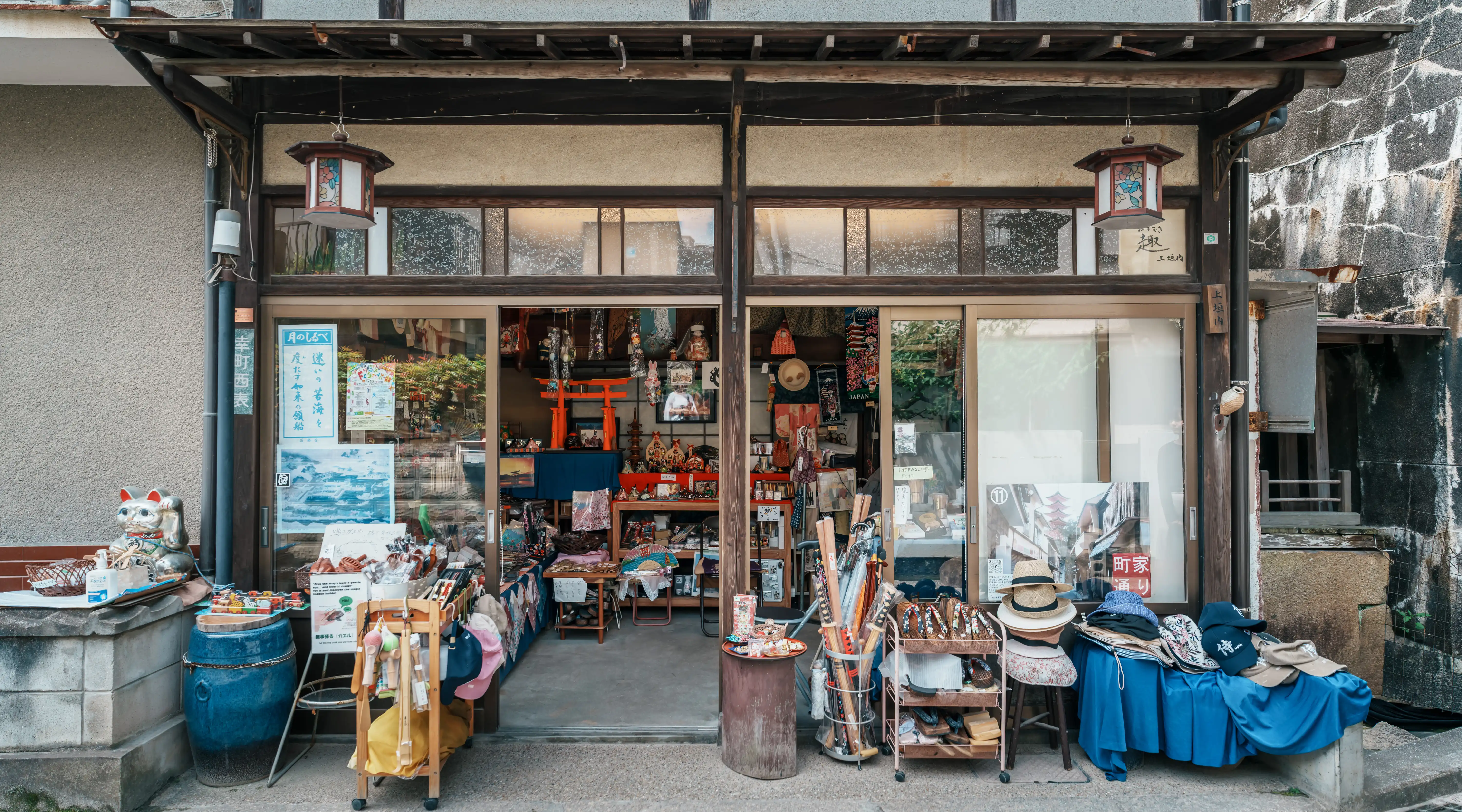
Yoshiko Kamigouchi married into a local Miyajima family in 1959 and has lived in this town ever since. She still works and smiles at passersby at her souvenir shop "Omomuki" located at the foot of the five-story pagoda at the western end of Machiya Street.
Looking back at her life, she recalled by saying, "I first ran a yarn shop and knitting class, but when Machiya Street started to attract attention, I changed the business to the Omomuki souvenir shop. In the 1950s, the street was an unpaved, bumpy road, and there was no running water, so I had to get water from the neighboring Seishin-Tsurui well."
In those days, she maintained strong ties with her neighbors, and the neighborhood association and children's club were active. One particularly striking memory is that of a large-scale funeral. She said: "Buddhist monks came from about eight different temples. Because of this, the members of the neighborhood association were busy for two days helping to prepare all the meals. Finally, we joined a long procession to the pier to pay our respects to the deceased at the crematorium on the opposite shore."
Funerals, which used to be a major event for the community, have now become simpler due to the declining population, with private family funerals now becoming the norm. With this change, Ms. Kamigouchi feels sad about the weakening of social connections. However, she also mentioned how she feels that large changes in the town, which used to take a decade or so, are now happening in just a year or even six months. "I am amazed at the endless drive and energy of the young people. I am not worried about the future when I see them focusing this energy into various activities to ensure Miyajima's future. I feel confident to let them be the next generation of leaders."
She also hopes that the preservation and development of the entire Machiya Street townscape will progress, starting with the renovation of the former Wakasa residence, which is currently under way. "It's a pity that renovations to many buildings during the period of high growth in the Showa era have diminished the sense of unity of the traditional townscape. I hope this quaint town with a rich history and culture will be preserved for a long time by improving the landscape that's unique to Miyajima."
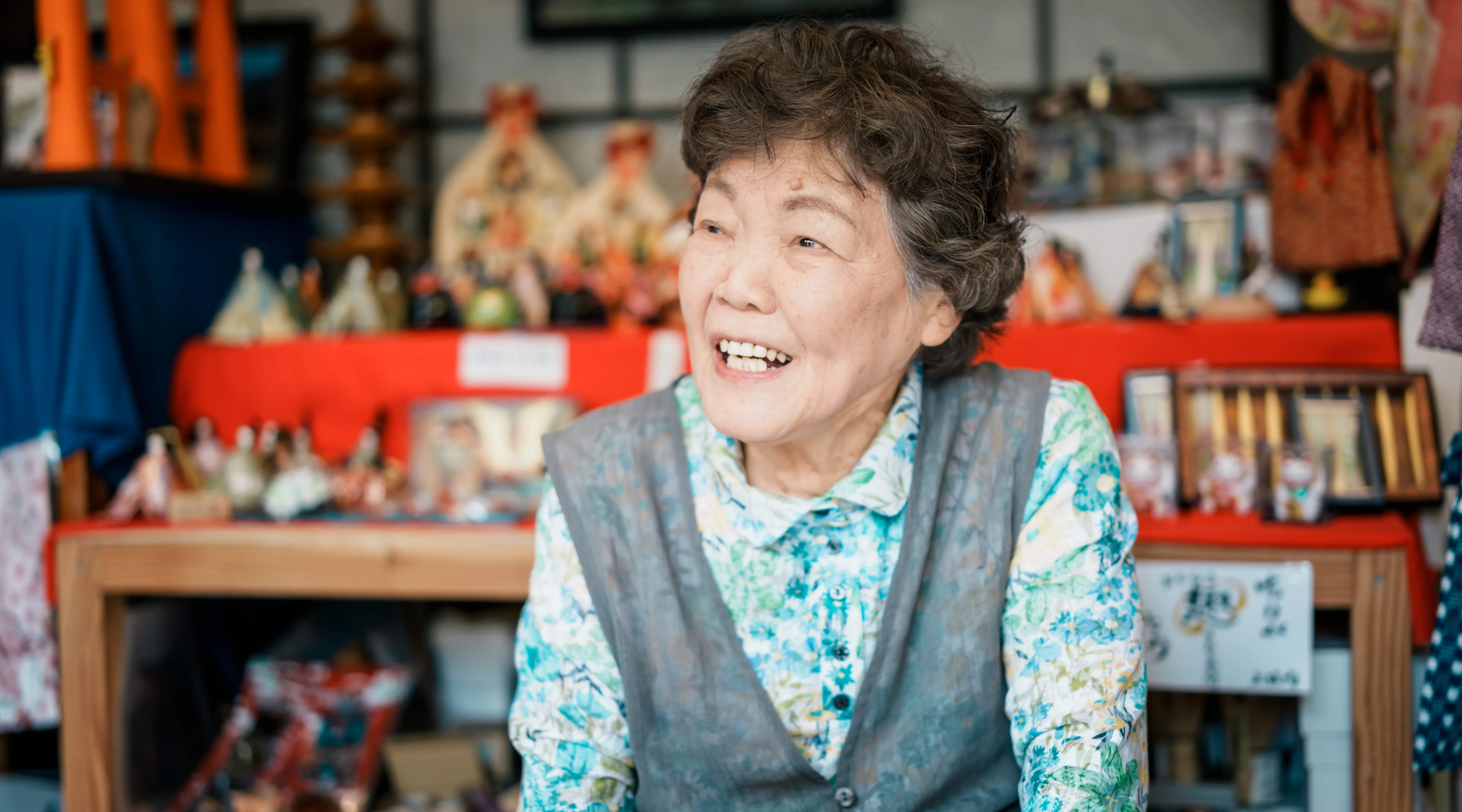
She stands in front of her shop, encouraged when tourists say that they will come again.
Living in a Traditional Building in the Past and Present
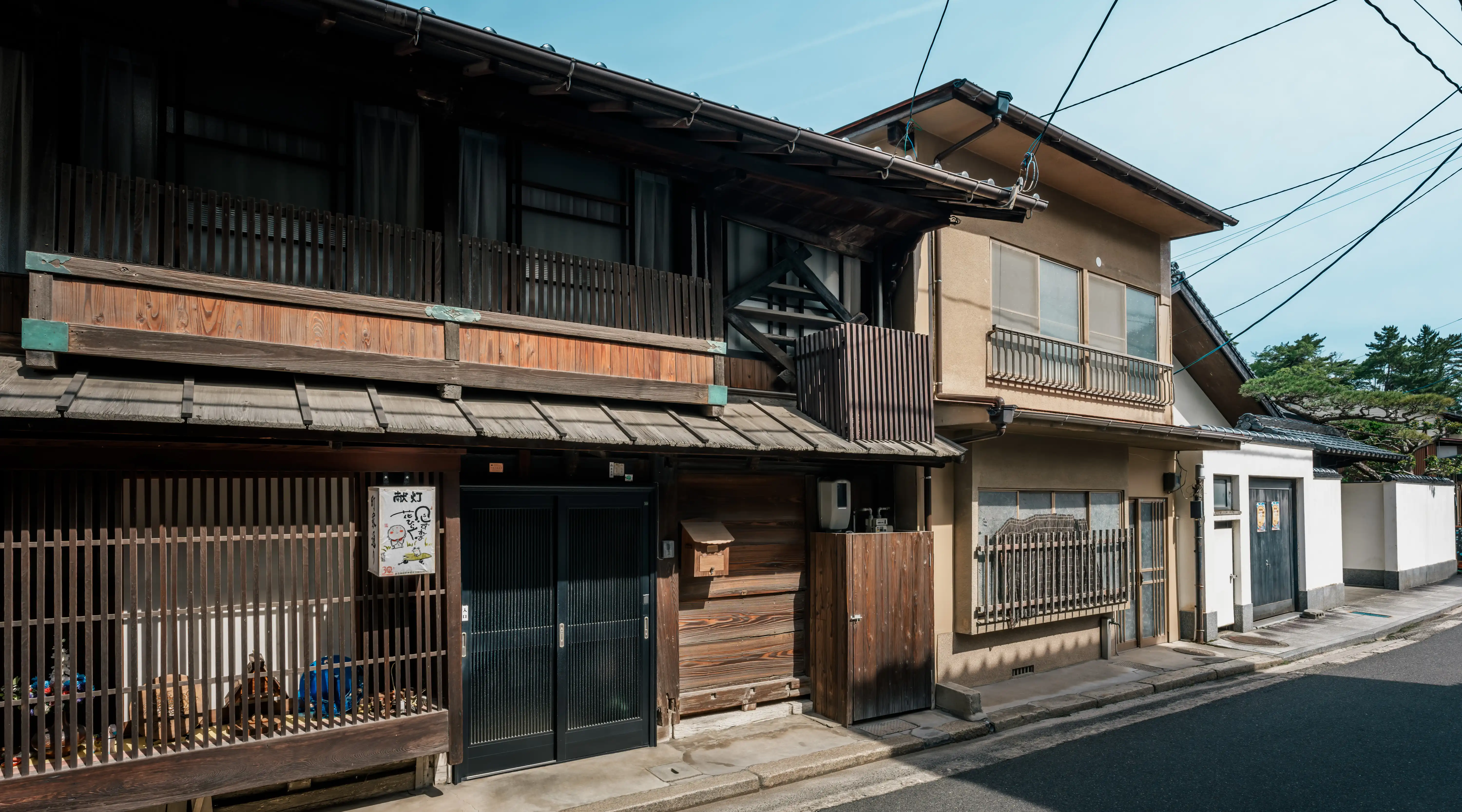
Located about 300 meters northeast of the souvenir shop Omomuki along Machiya Street is the Yoshida residence, a building that retains the strong atmosphere of a traditional townhouse with its beautiful latticework facade. Estimated to have been built in the mid-Edo period, this building has been magnificently preserved by generations of the Yoshida family, including the then-owner Hiroki. It is said that it was once used as a lodging for craftsmen who came to work in Miyajima. Nobuko Yoshida, who has lived in Miyajima for about 60 years since her marriage, and her son Hidekazu, who spent his childhood and high school years there and is considering returning home in the near future, shared the stories of their past and present lives there.
"When I first moved here, Machiya Street was bustling with hordes of people coming and going. There were far fewer cars back then, and I remember seeing elderly people sitting on benches and chatting happily," Nobuko said. At that time, there were many community events, and Hidekazu recalled, "I really looked forward to neighborhood kids' club camps."
Due to the declining population and the impact of the coronavirus pandemic, there is now less interaction with local people. However, the number of tourists has increased. "When the Omotesando Shopping Arcade gets crowded, people start flowing to this area. Since it's a historic building, some people wander into the house simply out of curiosity," said Nobuko with a wry smile. They have high expectations for the completion of the former Wakasa residence. "A building where you can freely view the interior of a Miyajima Machiya townhouse will open. This is indeed a big deal for people like us who live in traditional Miyajima houses. The people living in this town also want a place where they can easily gather. I hope that the building will be used as a community hub."
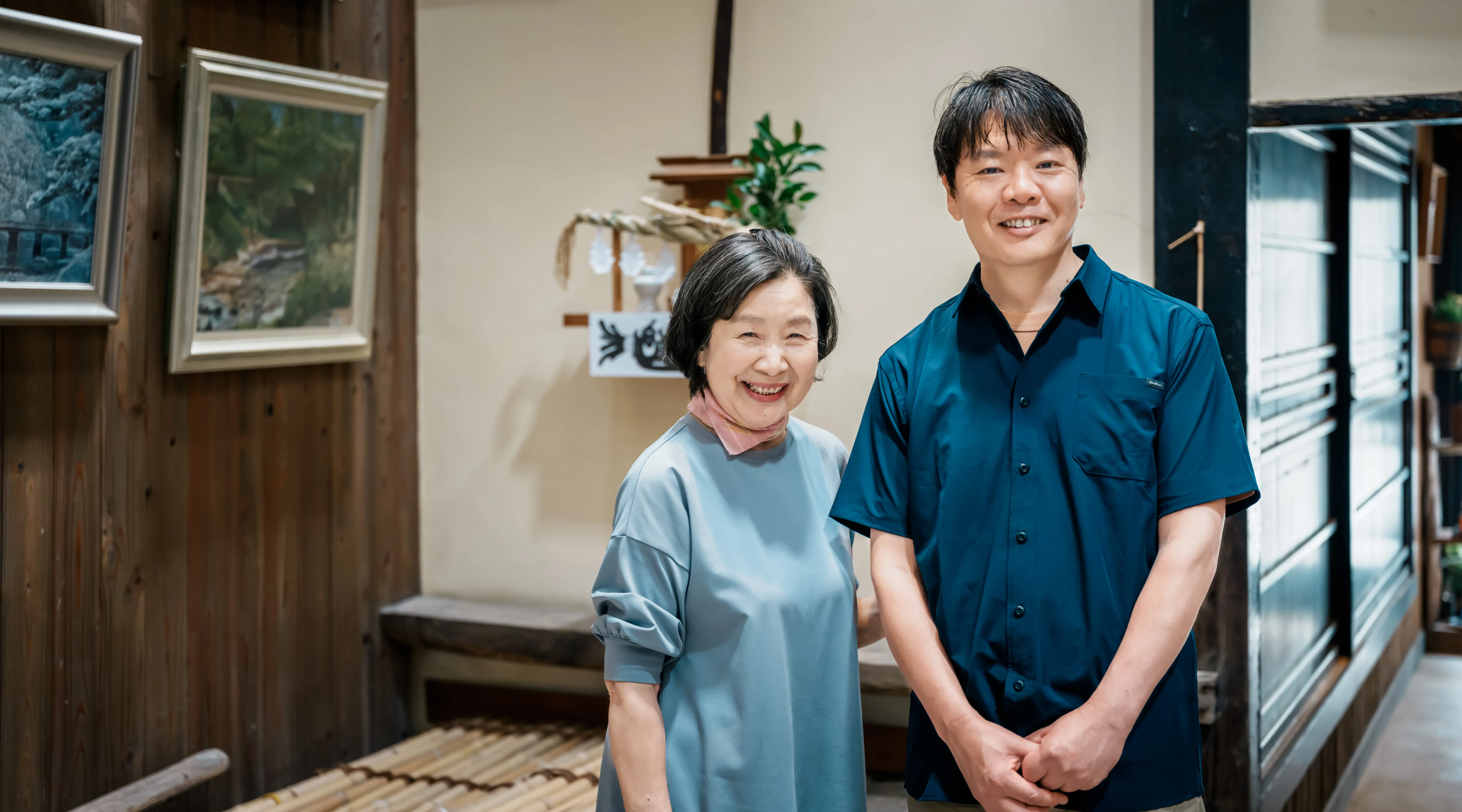
They also ask for consideration, as Machiya Street is also a living space for residents.
Breathing Life into the Traditional Miyajima Machiya Townhouse
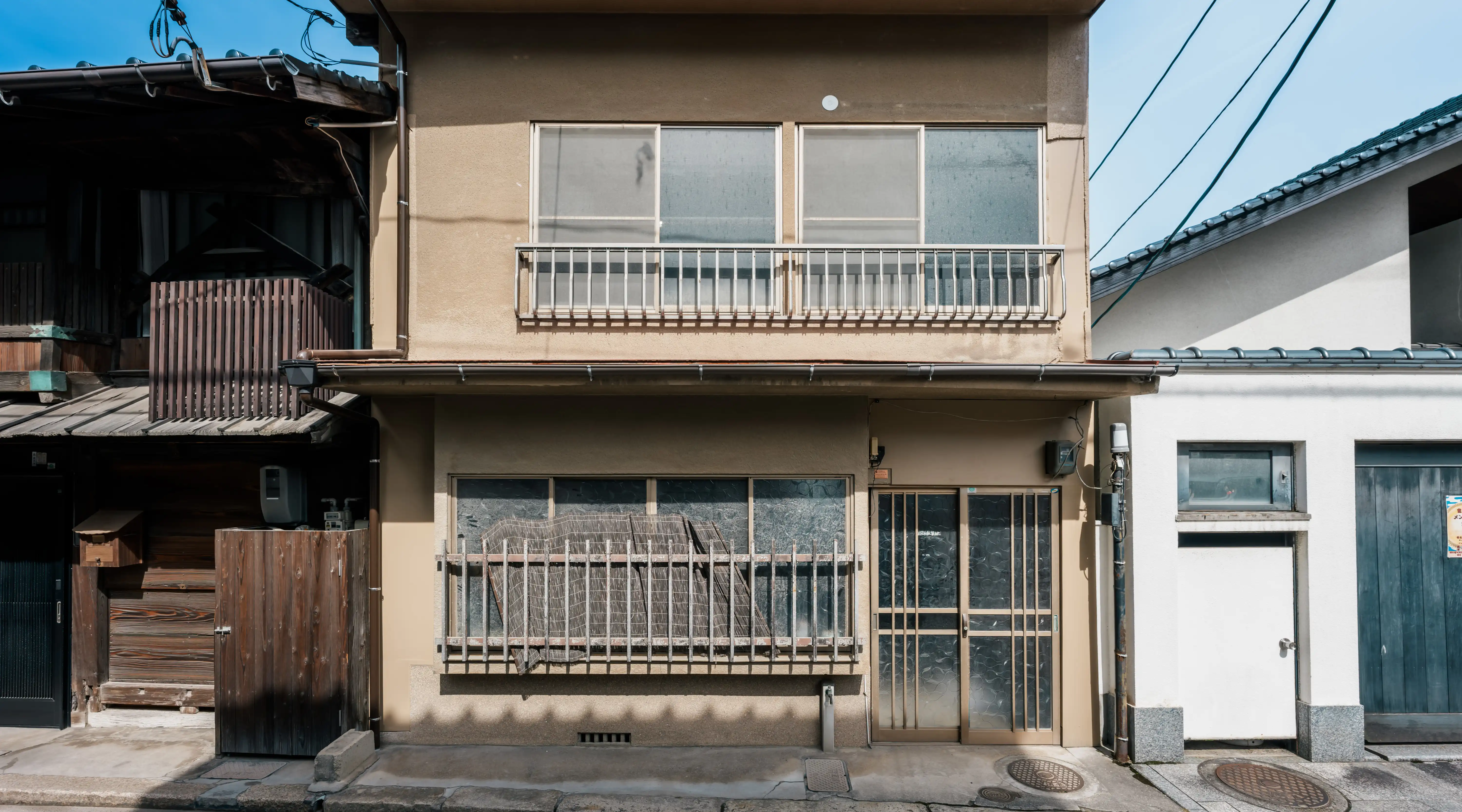
Standing next to the Yoshida residence is the former Wakasa residence, owned by Hatsukaichi City since 2024.
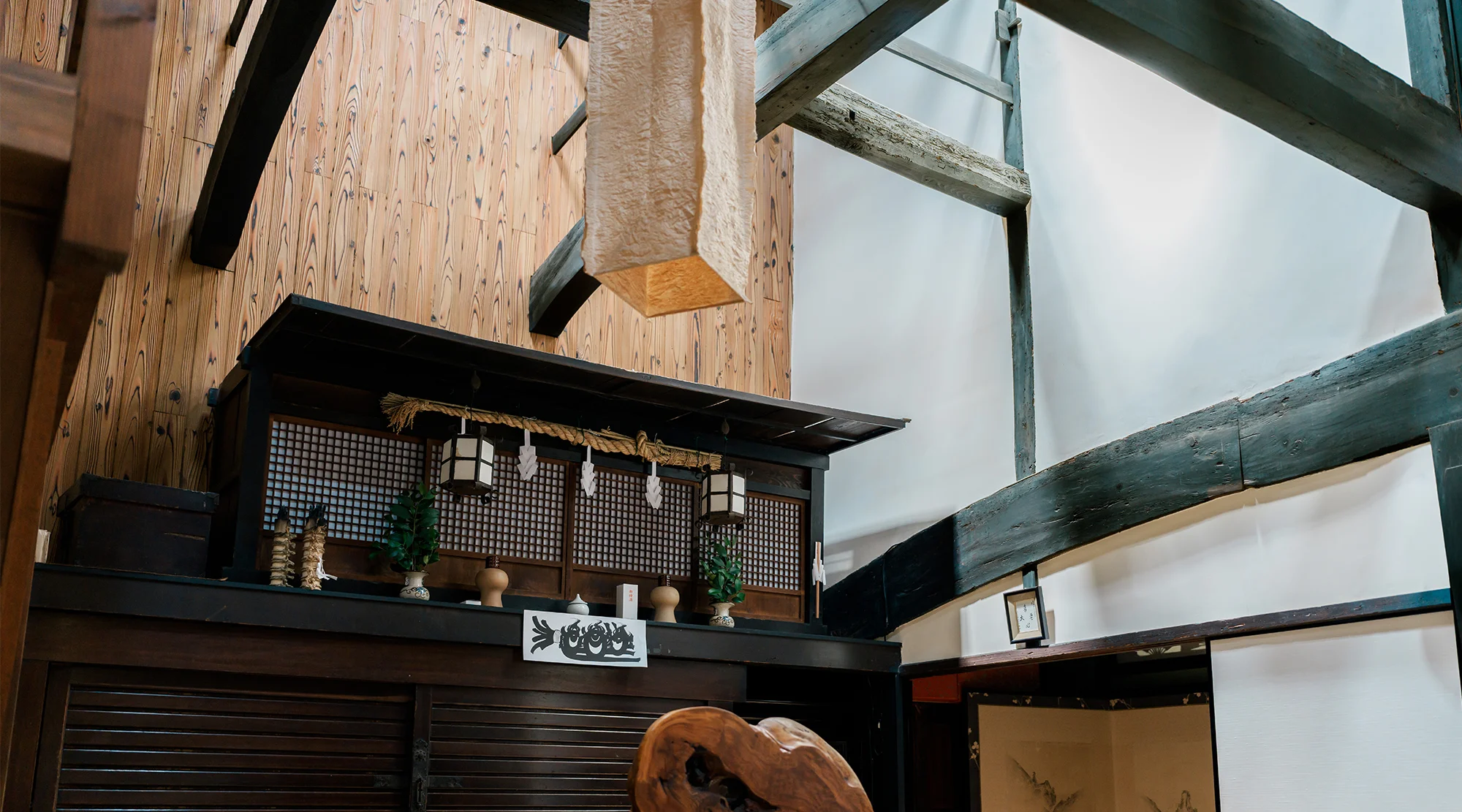
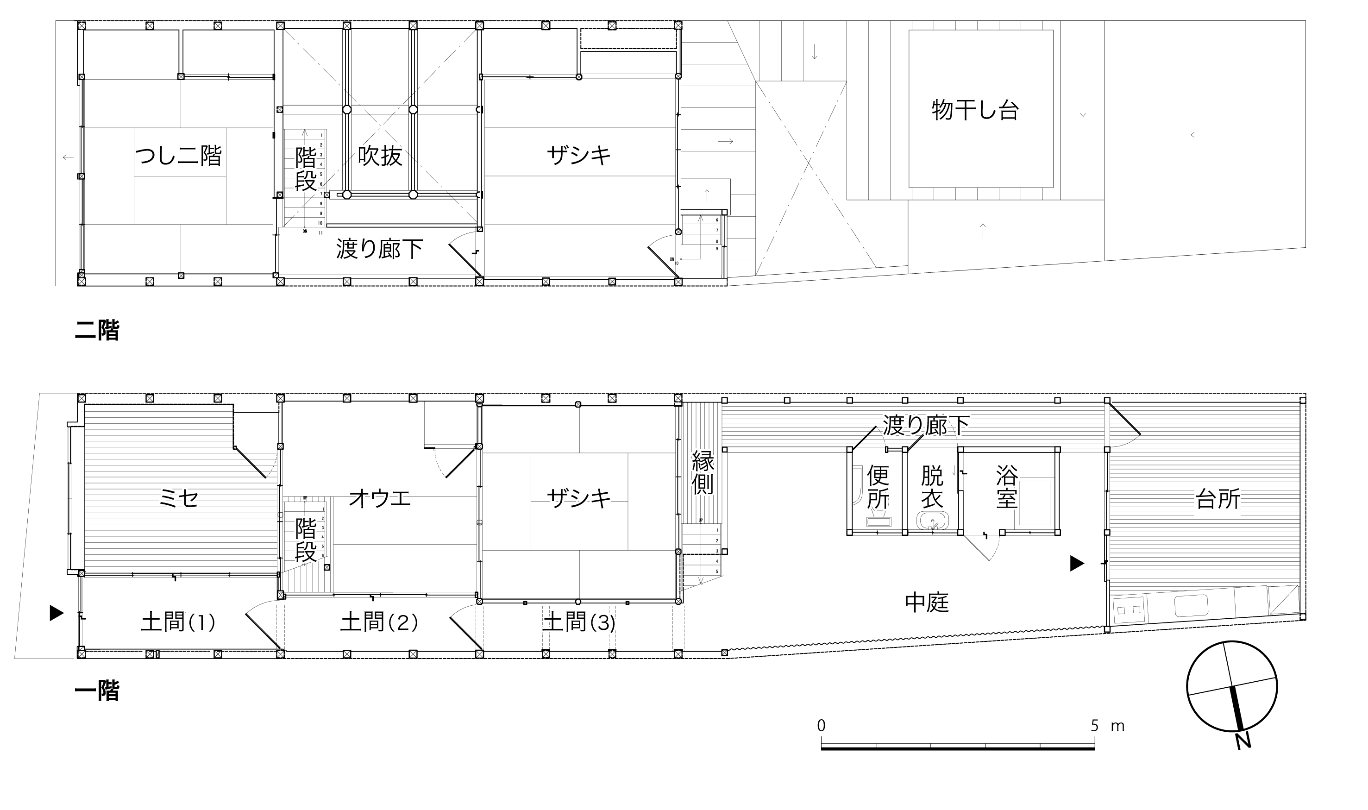
The former Wakasa residence is thought to have been built in the early Edo period, making it one of the oldest existing Miyajima Machiya townhouses. During the Showa period, modifications were made to the exterior walls and the roof slope, making it difficult to immediately recognize as a Miyajima Machiya townhouse. However, after stepping inside, you can see the characteristic layout consisting of the "mise," "o-ue," and "zashiki" areas as well as the courtyard.
A Hatsukaichi City official in charge of the renovation of the former Wakasa residence expressed his hopes for the future by saying, "We want people to feel the sense of presence and atmosphere that can only come from an authentic building containing the high, open ceiling of an "o-ue" and a household Shinto altar. We hope that this can be a place that demonstrates to local residents and tourists how our ancestors lived, with faith woven into their daily lives. And we want to pass on the unique lifestyle of Miyajima, which has continued since ancient times, and these former working and living spaces to future generations."
Hatsukaichi City is proceeding with the renovation while maintaining an open dialog with local residents, aiming for an opening at the end of fiscal year 2028.
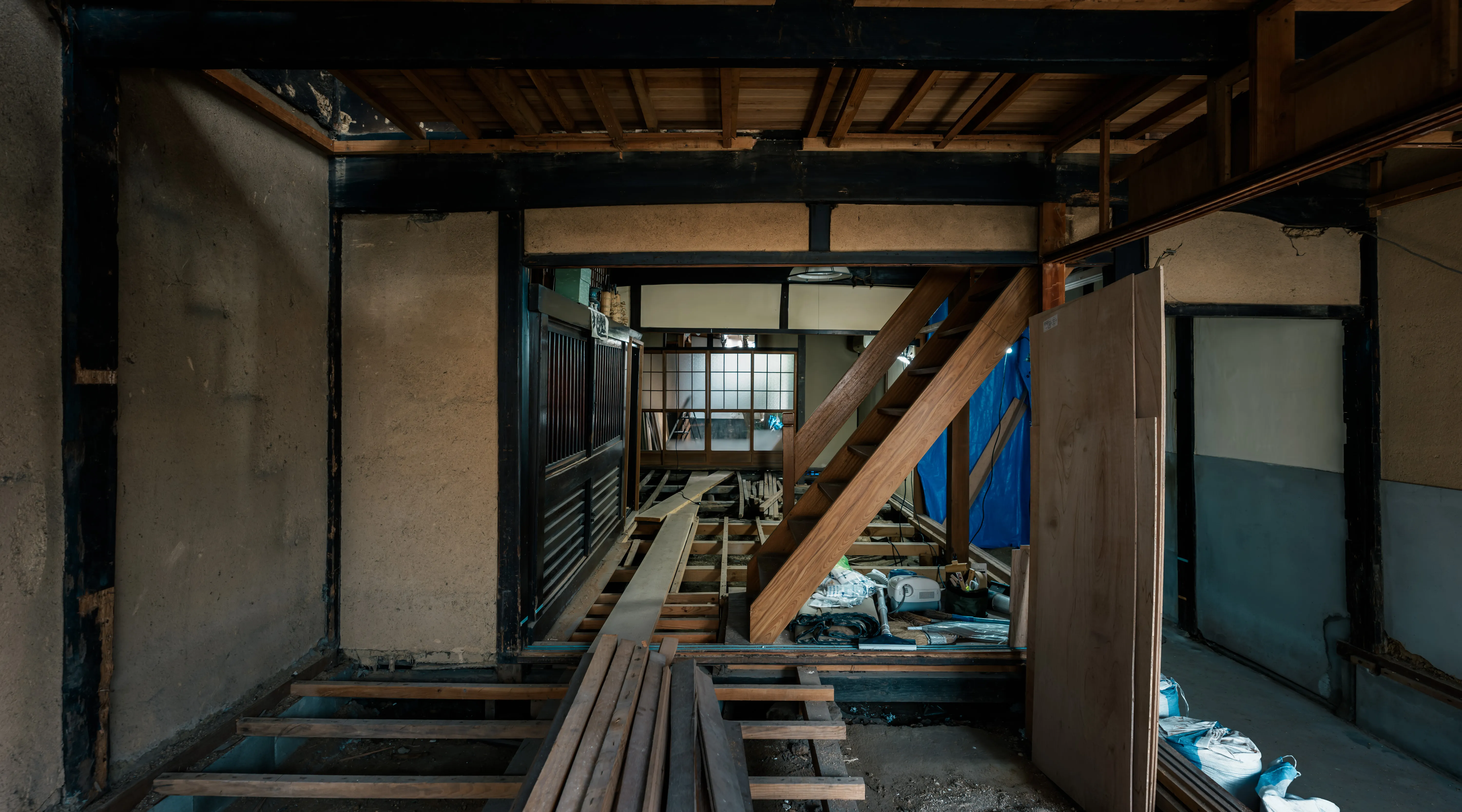
Mise: Originally built as a shop or workplace, and in many Machiya townhouses this area later became a dirt-floor space.
O-ue: A sacred space that contains the household Shinto and Buddhist altars. It was believed to be connected to ancestral spirits.
Zashiki: A room facing the backyard that was used for daily activities.
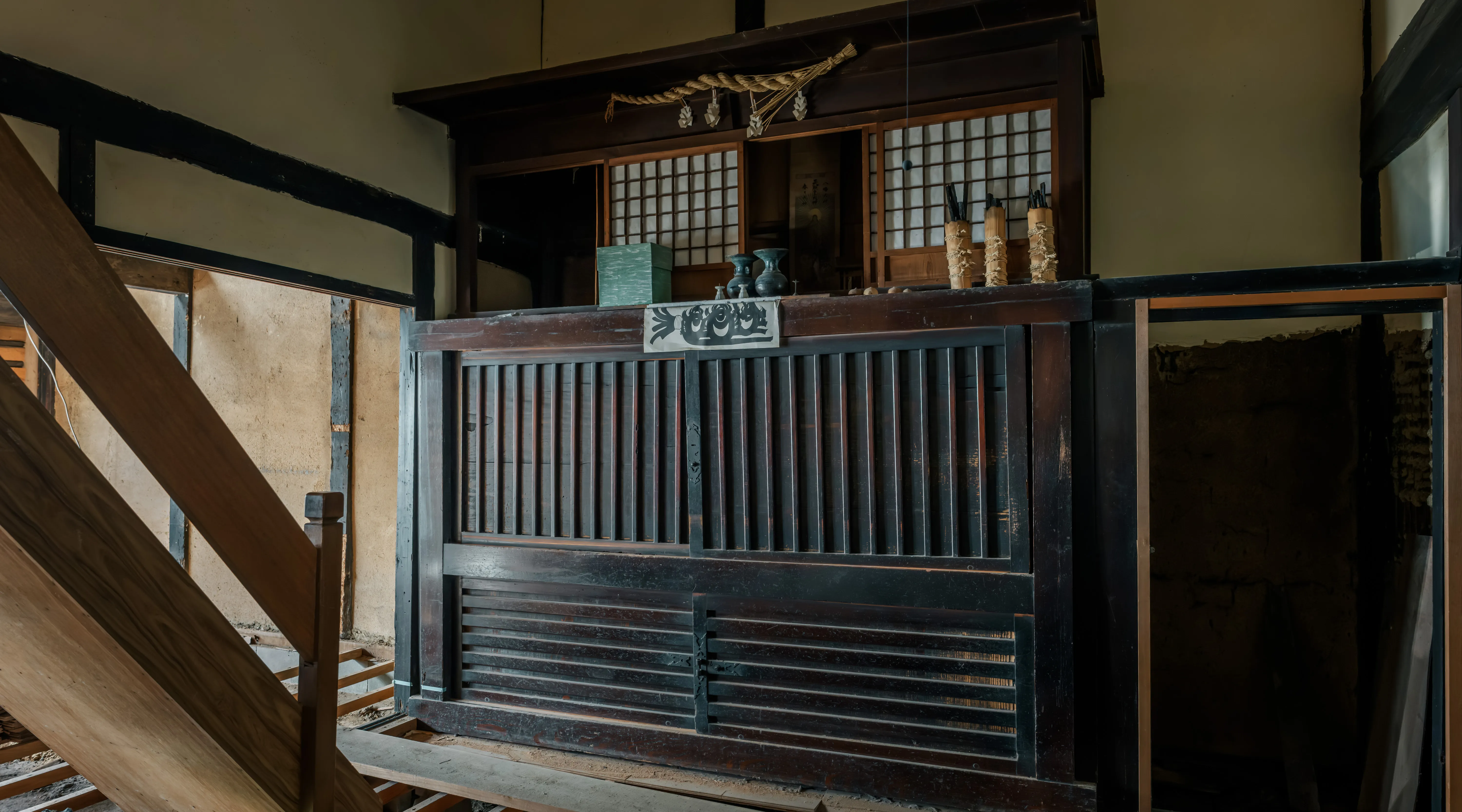
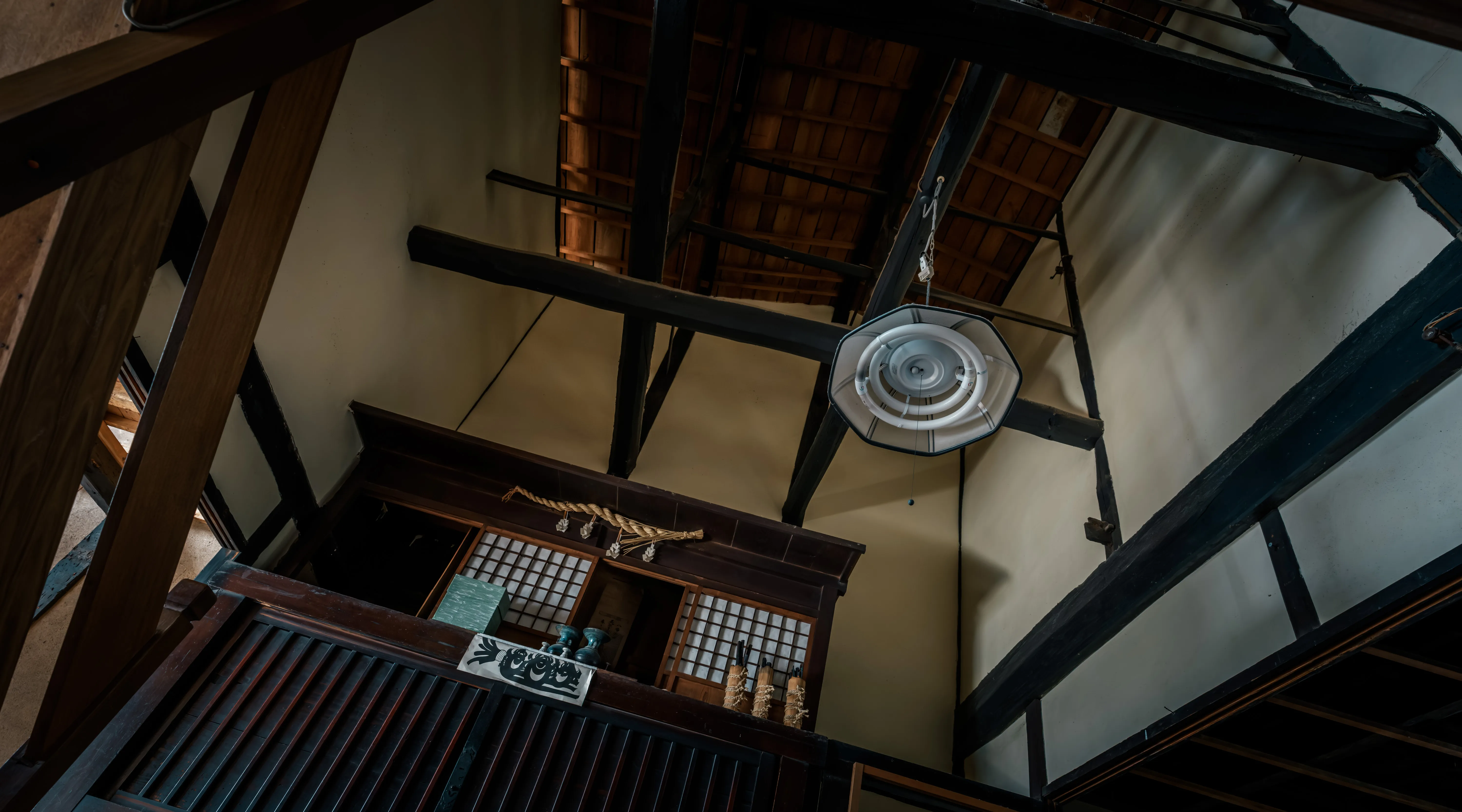
Both the former Wakasa residence and the Yoshida residence are excellent examples of the distinct construction of Miyajima Machiya townhouses, which has been passed down over the generations. It reveals the deep faith in Itsukushima Shrine that is integrated into the daily lives of the people of Miyajima, and the unique everyday practices that have long been alive in their livelihood.
When Ms. Kamigouchi mentioned that the people of Machiya Street have lived their lives by helping each other, it is clear that the local residents have been nurturing the culture of this town while mutually supporting each other.
The townhouses reminiscent of the atmosphere of the early Edo period, the local faith, and the enduring connections between the local residents contribute to maintaining the vibrant history of the island to this day. These everyday ways of life are themselves an essential part of the culture that embodies Miyajima's universal value, which must be preserved and passed on to future generations.